The short version
- The patient sets the look first, using visual aids, before any technical planning.
- Dr. Back then plans the smile tooth by tooth for that face.
- The alternative, common elsewhere, is a book of prefabricated smiles.
- Health-first planning sets what is possible and what happens in what order.
- Bring pictures. That is what the visual aids stage is for.
- Decided first
- The look you want
- Then
- Planned tooth by tooth
- Not used
- Prefabricated smiles
- Bring
- Pictures
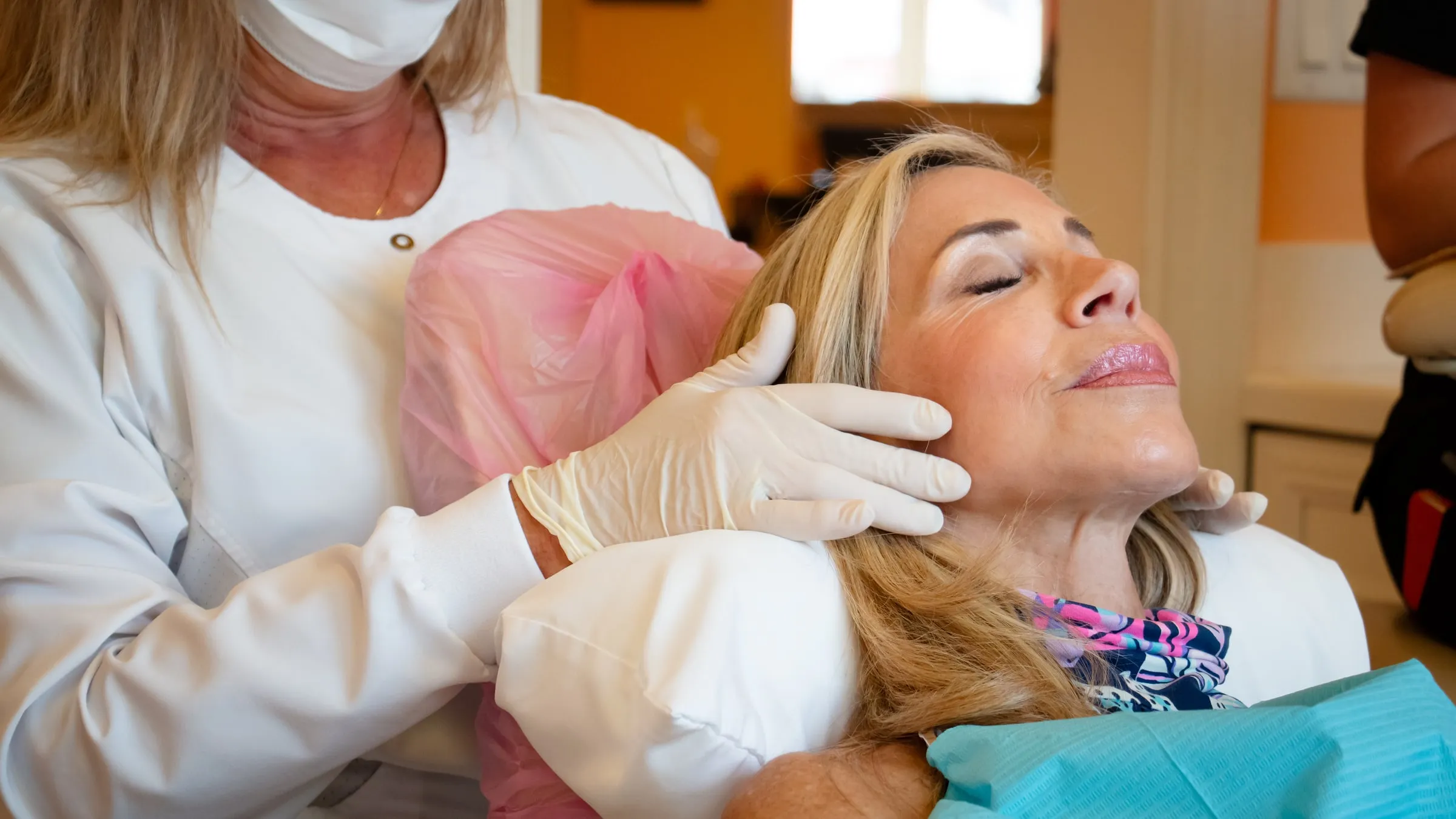
A dentist who works with you rather than on you changes what cosmetic dentistry can be for someone who has wondered whether it is for them at all.
Dr. Back calls the method collaborative co-designing. It is a specific sequence, and the order is the point.
The patient sets the look first
Before anything technical is decided, the general goal is established. Using visual aids, the patient guides Dr. Back to the look they actually want.
That might be a dazzling Hollywood smile. It might be one indistinguishable from nature. Most often it is somewhere in between, and the useful part of the conversation is finding out where.
Patients regularly discover there are more options than they arrived imagining. The plan starts from the point the patient’s own aspiration marks, not from a default.
Bring pictures. Smiles you like, photographs of yourself from years ago, anything specific. It is far more useful than adjectives.
Then the dentist plans how to get there
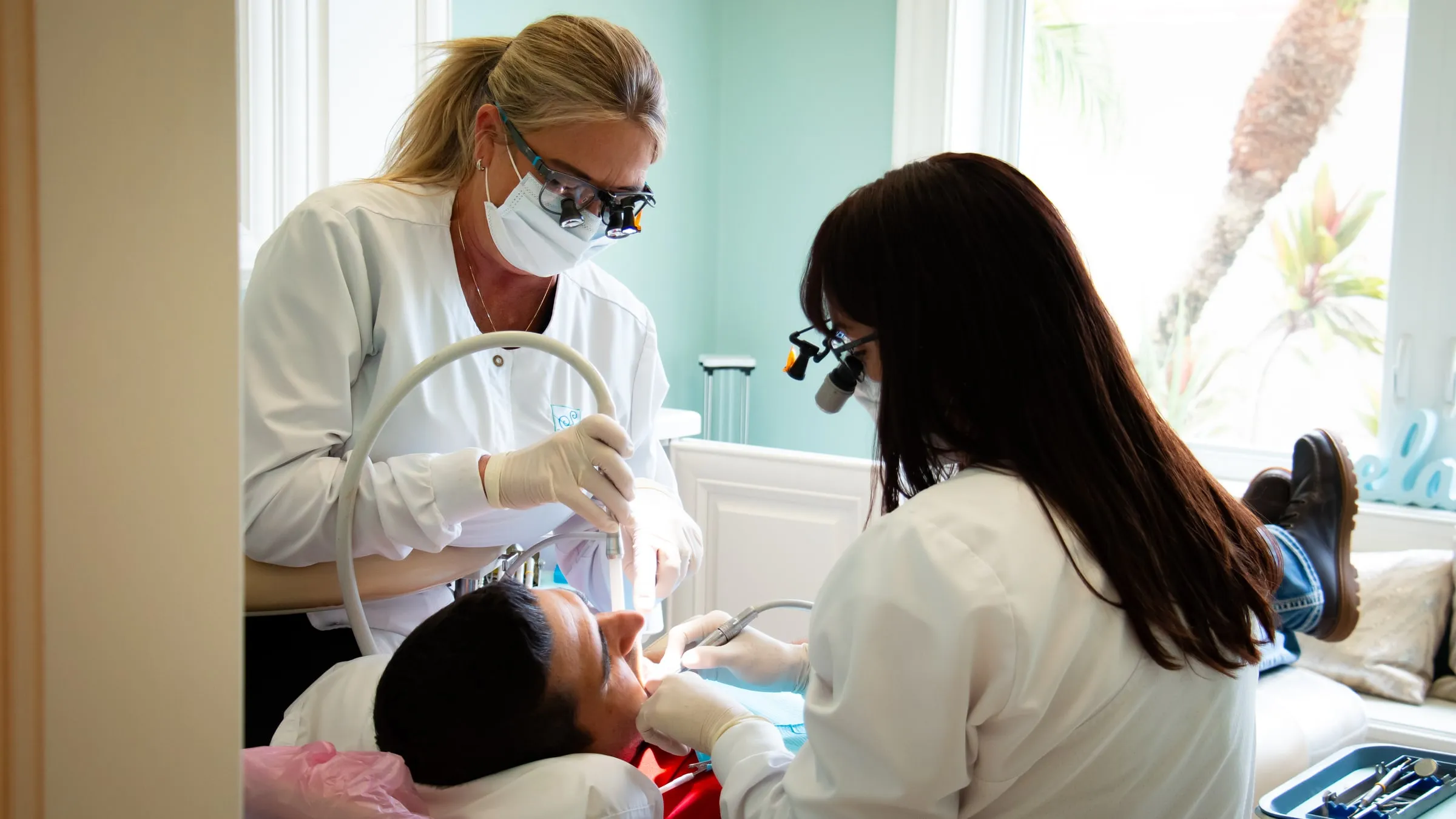
Once the patient has specified the appearance they want, the technical collaboration continues. Dr. Back plans the smile tooth by tooth, tailored to that patient.
The alternative, and it is common, is a book of prefabricated smiles applied to whoever sits down. That approach is faster and its results are less predictable, because the smile was not designed for that face.
Designing for one face means accounting for face shape, age, sex and personality. The six measurements behind it are in how a smile is designed.
Health first
Co-designing sits on top of a conservative, health-first approach to cosmetic and reconstructive work.
What the patient wants sets the target. What the teeth need sets what is possible and what happens in what order. A treatment plan that ignores the second is a plan that fails later.
Why it takes a conversation
In Dr. Back’s own words: she befriends her patients and tries to learn their stories so they feel they are visiting a trusted friend, then works with them to co-design their ideal smile.
That is a description of a method, not a slogan. Knowing what someone does for work, how much they smile, and what they want people to notice changes what you build.
The approach has earned professional respect from colleagues and patients who have recommended her for over two decades.
You see it twice before it is permanent
Cosmetic imaging at the consultation projects the likely result before anything is committed to.
Temporary veneers let you wear the proposed shape home and live with it in your own mirror. Anything you want changed is changed before the ceramist starts the permanent set.
Changes at either stage cost time rather than a remake. See what happens at a veneer appointment.
What this means for your first appointment
You will be asked what bothers you and what you want, and the answers will shape the plan rather than being received politely.
Sarasota Smile Design is on Clark Road in Sarasota, a short drive from Nokomis, Osprey and Venice. Open Monday to Thursday, 8am to 4pm.
Call 941-927-5411, or see smile makeovers and her page.